Ubuntu 26.10 introduces initial support for UPKI certificate revocation, quietly rolling out following a late cycle implementation. Phoronix confirmed that the security feature is currently active specifically within the operating system's curl package, establishing foundational infrastructure for broader system-wide deployment in future updates.
26.10
Ubuntu release version featuring initial UPKI support
The underlying UPKI integration aims to modernize cryptographic verification and certificate management across Ubuntu environments. While initially limited to curl, expansion plans target wider package integration to tighten cryptographic validation chains throughout the distro.
Homelab administrators and enterprise infrastructure engineers running Ubuntu 26.10 should monitor upcoming package updates for expanded UPKI adoption. This security enhancement signals a shift toward more robust revocation handling in standard Linux distributions.
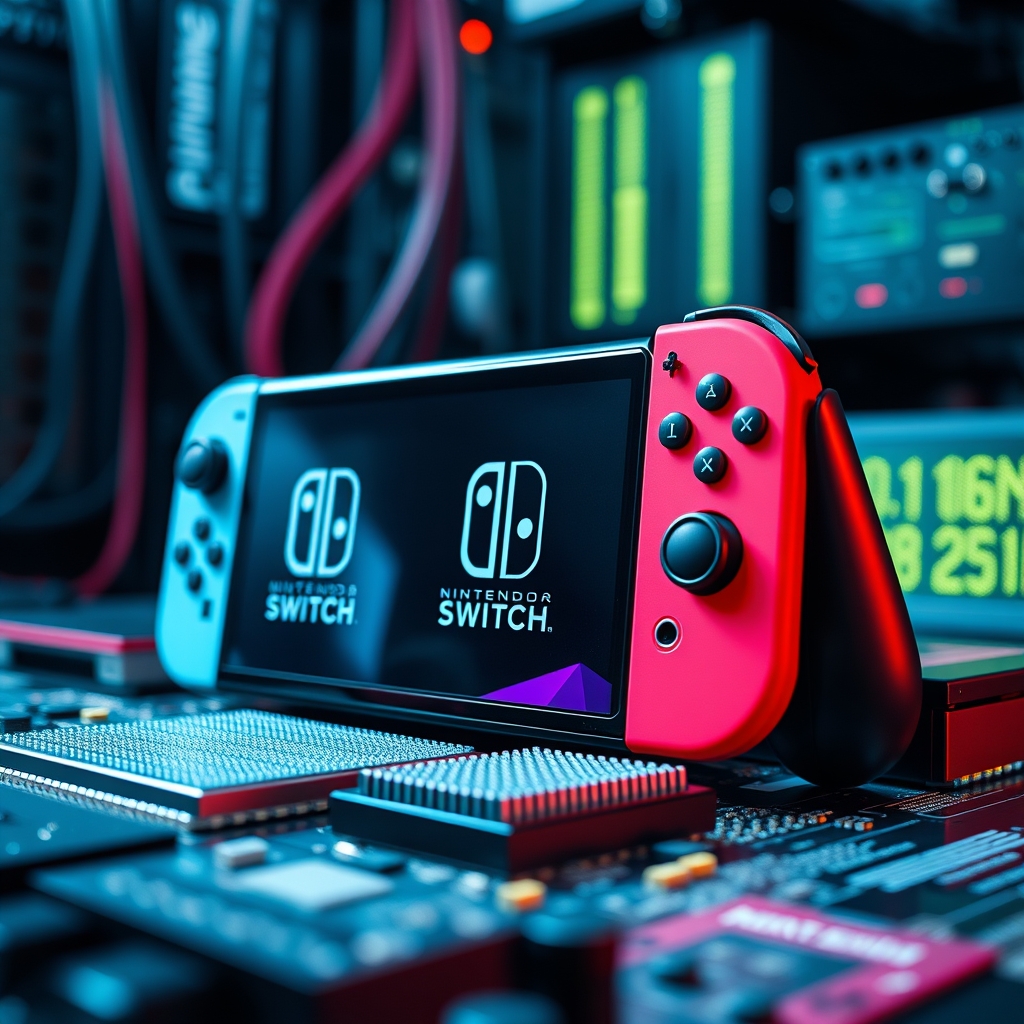
Nintendo has deployed system update version 23.5.0, effectively neutralizing ns2jb, the first software-only jailbreak targeting the Switch 2 console. Dataminer OatmealDome confirmed that the OS-level exploit chain has been sealed, halting system-wide homebrew access.
Nintendo of America issued a massive DMCA takedown request to GitHub, forcing the removal of 144 open-source repositories hosting hardware modchip firmware. The targeted projects included firmware for SX Core, SX Lite, Picofly, and HWFLY chips used to bypass hardware security on patched Switch consoles.
The FreeBSD Project published its Q3 2026 status report, confirming active development toward a formal artificial intelligence policy. Prompted by developer community polling, the initiative aims to establish clear governance regarding AI-generated code, tooling integration, and licensing compliance across the open-source operating system ecosystem.
KORA Systems Inc. has announced KORA, a bottom-up operating system built specifically for AI PCs and agentic workflows. Developed using NixOS as its foundational layer, the platform replaces traditional desktop paradigms with intent-driven neural workspaces, local memory context, and sandboxed execution environments.