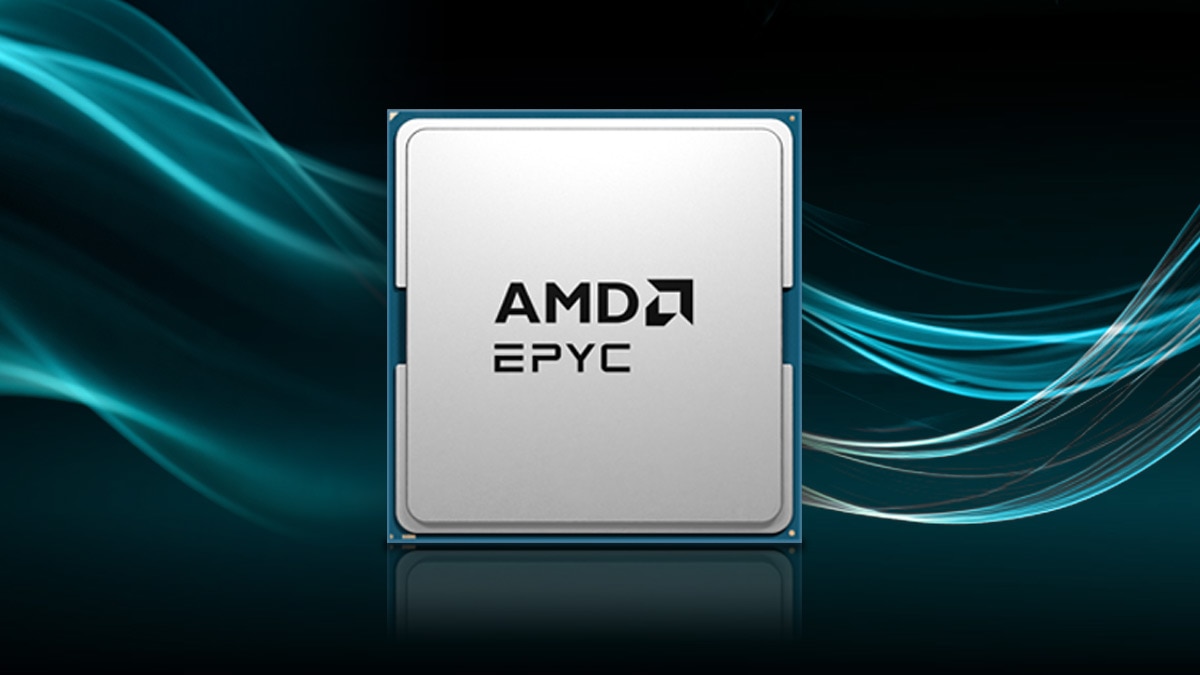
AMD’s EPYC ‘Venice’ CPUs are the first to debut the new Zen 6 architecture, and we’ve been testing two chips from the range over the past several weeks to see how they compare to Nvidia’s Vera, and more broadly, how the Zen 6 architecture departs from Zen 5 ahead of the expected consumer-focused Olympic Ridge launch next year. Zen 5 was a ground-up redesign of AMD’s storied Zen core, and Zen 6 takes that foundation and expands it in just about every regard.
93%
Key figure cited in Tom's Hardware report
Why It Matters
Zen 6 uses TSMC’s N2P node, but it also comes with significant architectural changes under the hood.
Watch street pricing, driver support, and real-world benchmark validation before upgrading.
Zen 6 uses TSMC’s N2P node, but it also comes with significant architectural changes under the hood. Within the core, a redesigned vector engine pushes AMD’s SIMD performance even higher, and it now natively supports half-precision FP16 instructions alongside full, 32-bit precision. It also splits integer schedulers within the execution engine, allowing for more instructions in flight through the core.
Across the die, AMD made other significant changes. The single IOD of previous generations is now split across two IODs, giving the SP7 platform access to 16 memory channels (though at the cost of PCIe 6.0 lanes compared to the previous generation and SP8 platform). The CCDs have been upgraded, too, for the first time since Zen 3.
NVIDIA may be slowing down its chip orders at TSMC, according to a new report from Taiwan's Commercial Times. The outlet cites unnamed supply chain sources but doesn't name a product, node, size, or timeline.
Grok Build, the vibe-coding agent from SpaceXSI, is leaking data—some of it proprietary business information and other sensitive secrets—from thousands of its users, including the very same Elon Musk-owned company that offers the platform, new research shows. The information is revealed through links allowing Grok Build users to share their apps with others.
Microsoft Design and Research Lead Marcus Ash has confirmed the company is working to modernize remaining legacy Win32 dialogs and MMC management tools in Windows 11. Responding to a user request to replace outdated interfaces and fully deprecate Control Panel, Ash offered a brief acknowledgment without providing an official release timeline.